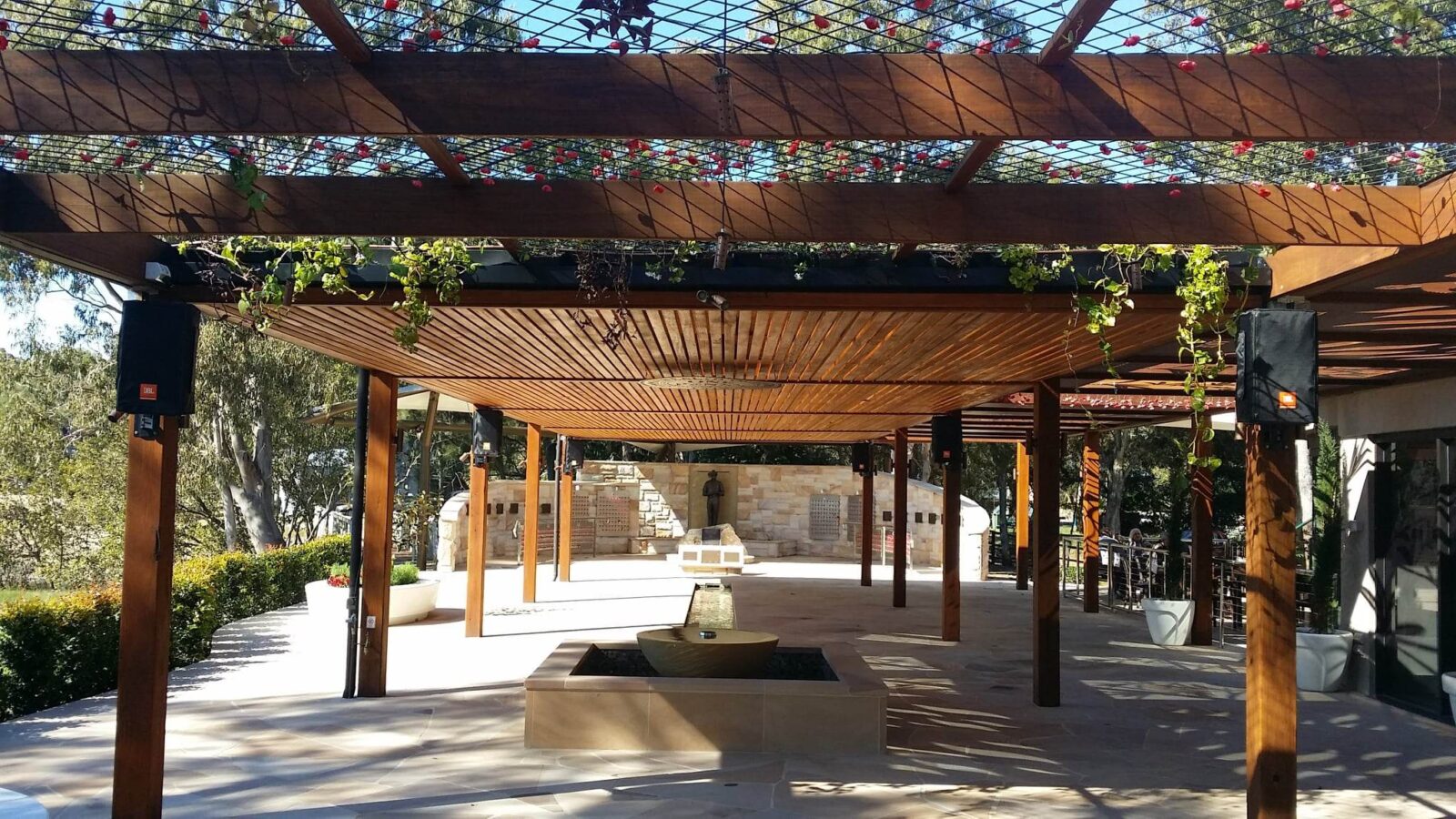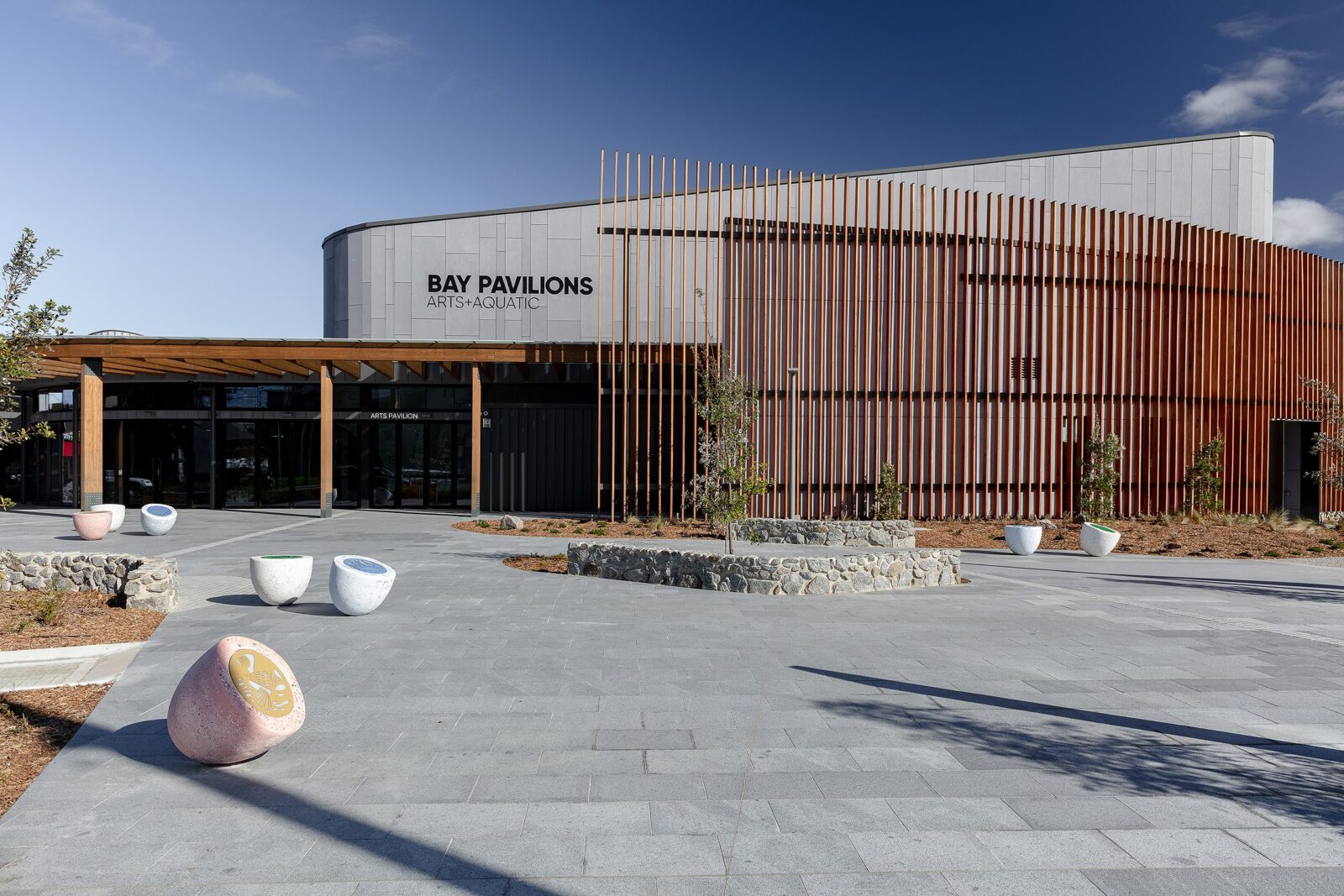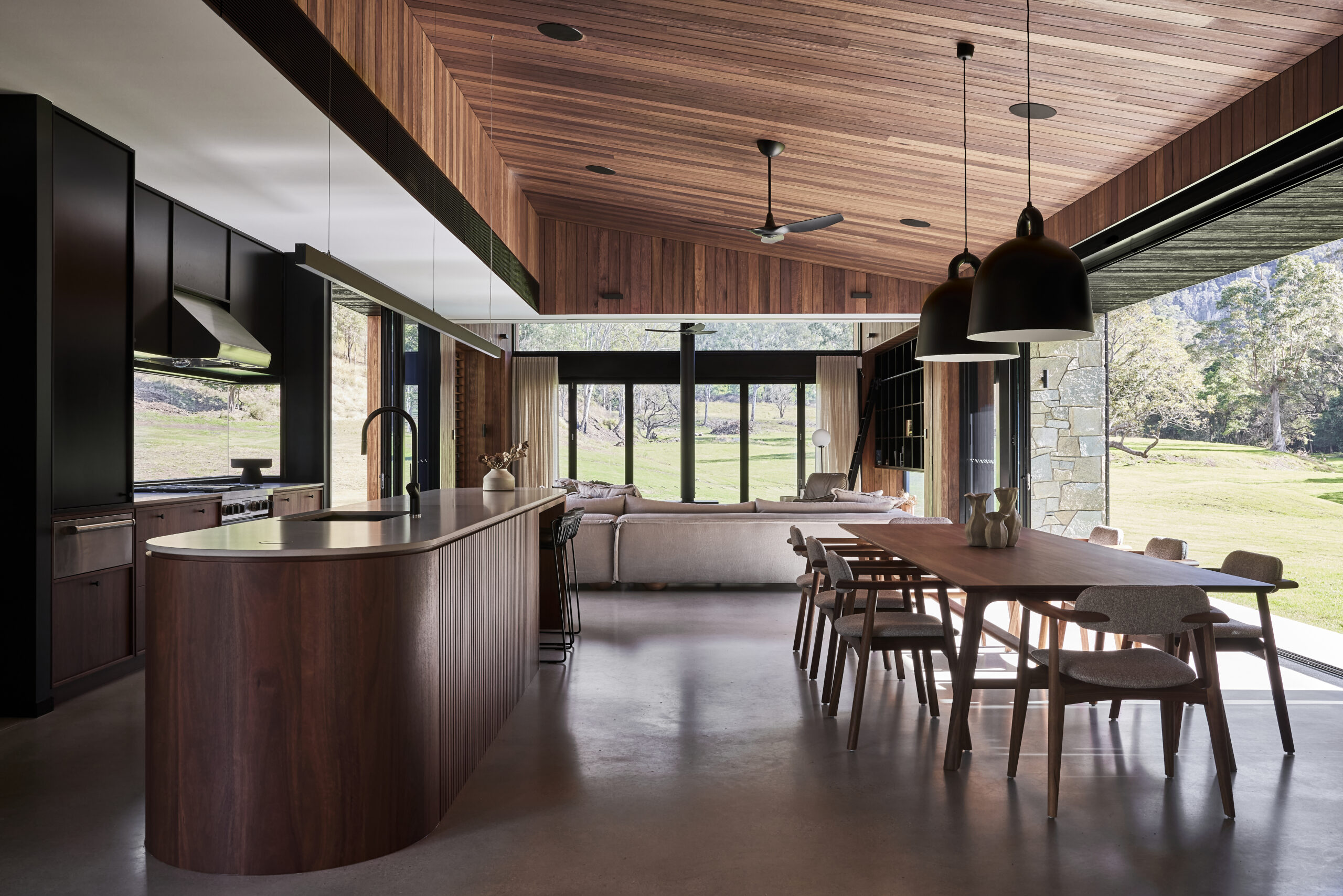
Timber is widely used in nature-connected design because it can bring visual warmth, texture and sensory richness into everyday spaces. This article summarises what the research generally suggests, and highlights design considerations that help translate “wellbeing intent” into sound, buildable outcomes.
Why Timber Features in Human-Centred Design
Nature-connected design approaches focus on improving the occupants experience by integrating hints of nature into buildings. Timber contributes through its natural grain and patterning, perceived warmth, and tactile, visual variation. In many applications it can also support comfort outcomes via the material’s feel, while providing a robust, maintainable finish when appropriately specified.
What the Evidence Suggests
Stress and Pysiological Markers
Some workplace and experimental studies have reported lower stress indicators, including cortisol-based measures and autonomic nervous system markers in timber-rich environments compared with otherwise similar non-timber settings.
Perceived Comfort and Mood
Wood interiors are commonly associated with greater perceived warmth or comfort, and improved self-reported mood and feelings of restoration in controlled comparisons.
Performance-Related Perceptions
In an office context, nature-connected interiors such as timber are often linked to improved perceived focus and productivity, though the relationship may be hard to isolate from other influencing design variables which may include lighting, acoustics, views, and plants.
Design Considerations That Matter
Visibility and Proportion
It can be argued the amount and visible placement of timber products like feature walls, ceilings, linings and joinery versus small highlights, influences perception and likely impact.
Finish Selection
Coating type and sheen affect colour, glare, feel, and care and maintenance cycles. Specify finishes consistent with the space’s hygiene, wear and cleaning regime.
Indoor Air Quality
Consider low-emission coatings, adhesives and adequate ventilation during installation and curing to align with wellbeing intent.
Acoustics and Comfort
Pair timber with appropriate acoustic design, for example, absorptive linings, soft finishes where needed to support calm, restorative spaces.
Durability and Maintenance
In high-traffic or wet-adjacent zones, detailing, protection and realistic maintenance planning are key to preserving both appearance and user experience.
Where Timber Supports Wellbeing Narratives
Healthcare
Use timber to counter the “institutional” feel and support calmer, more domestic cues (e.g., ceilings, feature walls, joinery), while prioritising cleanability, durability and infection-control requirements.
Commercial Spaces and Workplaces
Timber-rich fit outs are commonly used to create warmer, less sterile interiors. Research in this area includes measurable stress-marker studies and aligns with broader nature connected design thinking.
Residential
Timber’s visual and tactile qualities support comfort, familiarity and perceived warmth, particularly when paired with daylight, ventilation, and acoustics.
Tourism and Hospitality
Timber helps deliver “place identity”, authenticity and sensory richness that guests often associate with relaxation and retreat.
Specification Support
Request Evidence
Ask for test data and certificates relevant to the intended use:
- slip resistance reports
- coating performance data
- emissions information for coatings and adhesives; and
- any chain-of-custody documentation
Confirm Suitability By Location
Align product, species, grade, profile and finish with expected traffic, cleaning regimes, moisture exposure and maintenance capability.
Detail for Longevity
Seek recommended details for transitions, wet-area, movement allowances, and protection during construction to preserve appearance and user experience.
To deliver a credible wellbeing narrative, specify timber with appropriate visibility and proportion, fit-for-purpose finishes and low-emission systems, and detailing that addresses acoustics, indoor air quality, durability and maintenance so performance aligns with the intended user experience.